In 2023, UNESCO and Interpret Europe launched the Learning Landscapes Initiative (LLI) to harness the potential of heritage interpretation within UNESCO-designated sites. The initiative aims to enhance the meaningful engagement of people with heritage while fostering a stronger sense of shared responsibility for sustainable development, in line with people-centred and value-based approaches.
The final event of the initiative will take place online on 8 June 2026, from 09:00 to 12:00
CEST. Interested participants can register via the following Zoom link
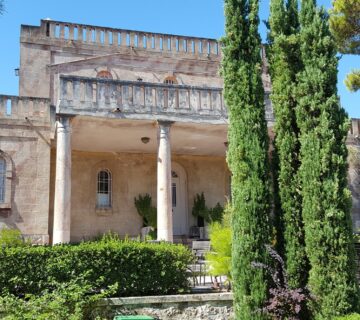
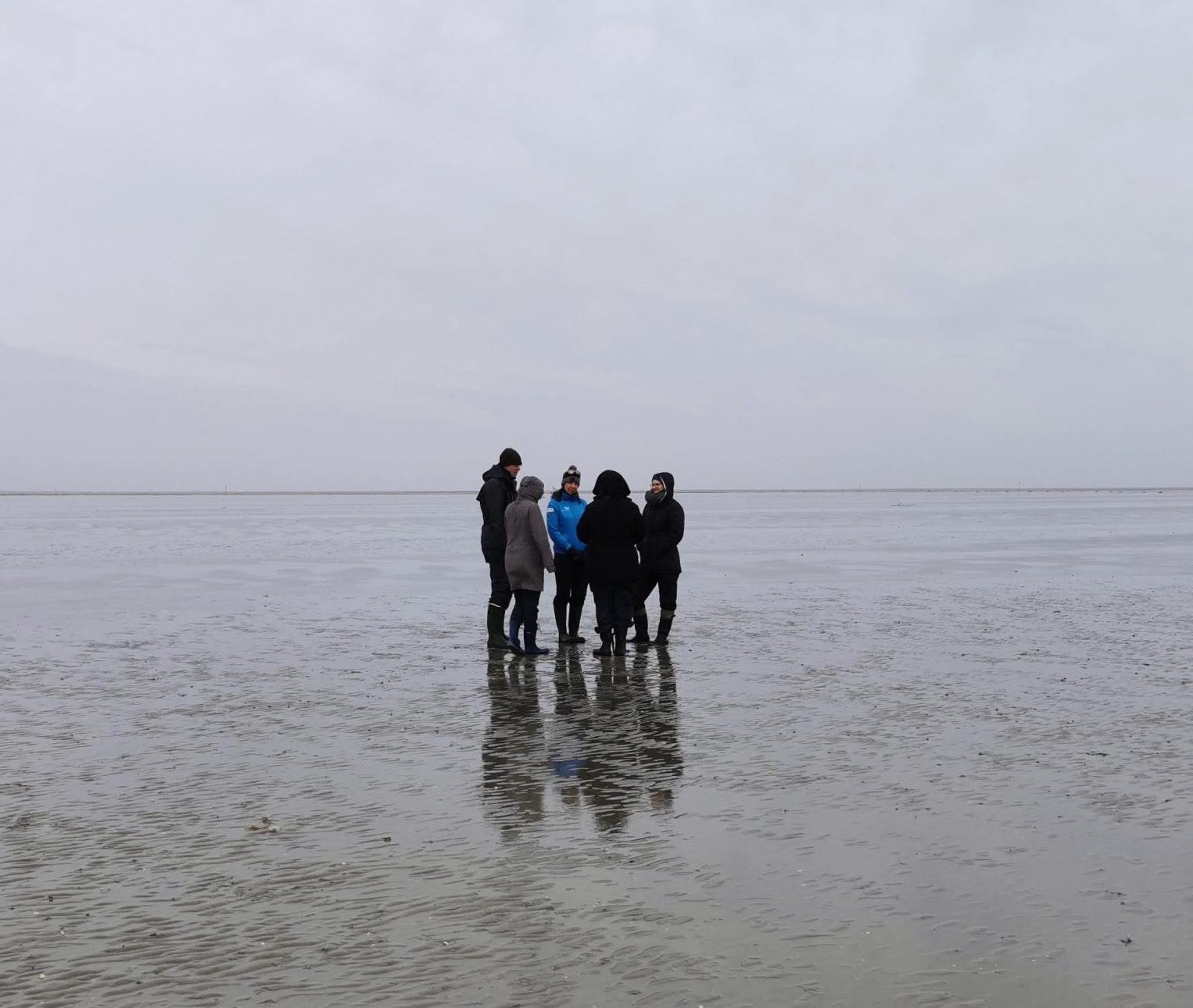
Implemented across four pilot areas in Greece, Montenegro, the Netherlands, and Romania, the initiative explored how the co-creation of interpretive strategies—through inclusive, multi-stakeholder engagement—can support the transformation of UNESCO sites and their wider territorial contexts into dynamic learning environments.
Activities included the application of participatory and interdisciplinary methods to develop interpretive strategies for the sites, as well as capacity-building for key actors at different levels: from strategic design and interpretive planning to the development of personal and non-personal interpretive services.
The event will offer an opportunity to reflect on the rationale, methodology, and ambitions of the initiative, while showcasing its key outcomes through the experiences of local partners and trainers involved in the four pilot areas.
The programme will feature presentations from the pilot sites, illustrating the activities undertaken and lessons learned in co-creating interpretive strategies. Particular attention will be given to positioning heritage interpretation as an integral component of the sustainable management of UNESCO-designated sites. This includes strengthening the connections between local heritage values, global challenges, and people’s everyday lives, in alignment with UNESCO’s mission and strategic objectives.
The final event will also explore how the approaches developed within the LLI contribute to education for sustainable development and global citizenship, by fostering critical thinking, empathy, and active engagement. It will highlight transferable methodologies that can support other heritage sites and territories in adopting participatory and people-centred practices, thereby reinforcing the role of heritage for more inclusive and sustainable societies.
To find the details of the tentative programme please go here.