Co-creation sessions, artivism and south Portuguese landscapes are just some of the experiences our conference has never offered before.
Join us to co-create our Interpret Europe conference 2026: Re-interpreting Heritage in the Light of Faro, which will take place in Faro, Portugal in April. We will explore how heritage interpretation can strengthen democratic values, foster dialogue, and connect people with both cultural and natural heritage in meaningful ways. Faro is the birthplace of the Faro Convention, a milestone in people-centred, value-based approaches to heritage, making it the perfect setting to reflect on how interpretation can contribute to inclusive, sustainable communities across Europe.
To this end, we will organise group discussions and open space sessions and invite you to shape and co-create the future of interpretation with colleagues from all around Europe and beyond.
However, our standard programme with presentations and workshops remains, so you are warmly invited to consider your own contribution by submitting an abstract (and later a full paper) by 5 January.
As always, we will peek beyond the conference halls and visit numerous places in the Faro region. Whether your passion is culture, gastronomy, or nature, there will be something for everyone to remember this remarkable corner of Portugal forever.
You will be able to choose from six long study visits and at least six short ones, making the selection really hard.
Will you be tempted to visit the Loulé Rock Salt Mine, one of the most important geological sites of the Geoparque Algarvensis? 230 metres below the surface we will not only marvel at the magnificent underground world but also discuss how interpretation could help small businesses to find new ways forward in times of globalisation.
Or, will you prefer to go to the archaeological site of Milreu, surrounded by a serene agricultural landscape. We will rest our senses by wandering through the remains of a luxurious Roman villa and ponder over the succession of beliefs and cultural practices that shaped the south of the Iberian Peninsula.
The group visiting the Eco-Cork Factory will learn about one of Portugal’s greatest natural treasures and one of its most exported products worldwide. In this family-run factory the love for cork has been passed down from generation to generation. Here, the ancestral knowledge of cork harvesting and transformation is preserved and at the same time adapted to modern times.
‘The cubist town’ of Olhão, an ancient fishing village, is a living testimony of the historical interconnection of locals with the ocean. We will trace the paths of legends, immersing ourselves in narratives that have influenced lives for centuries. Here, stories of fishermen, sailors and local folklore have woven a rich tapestry of identity.
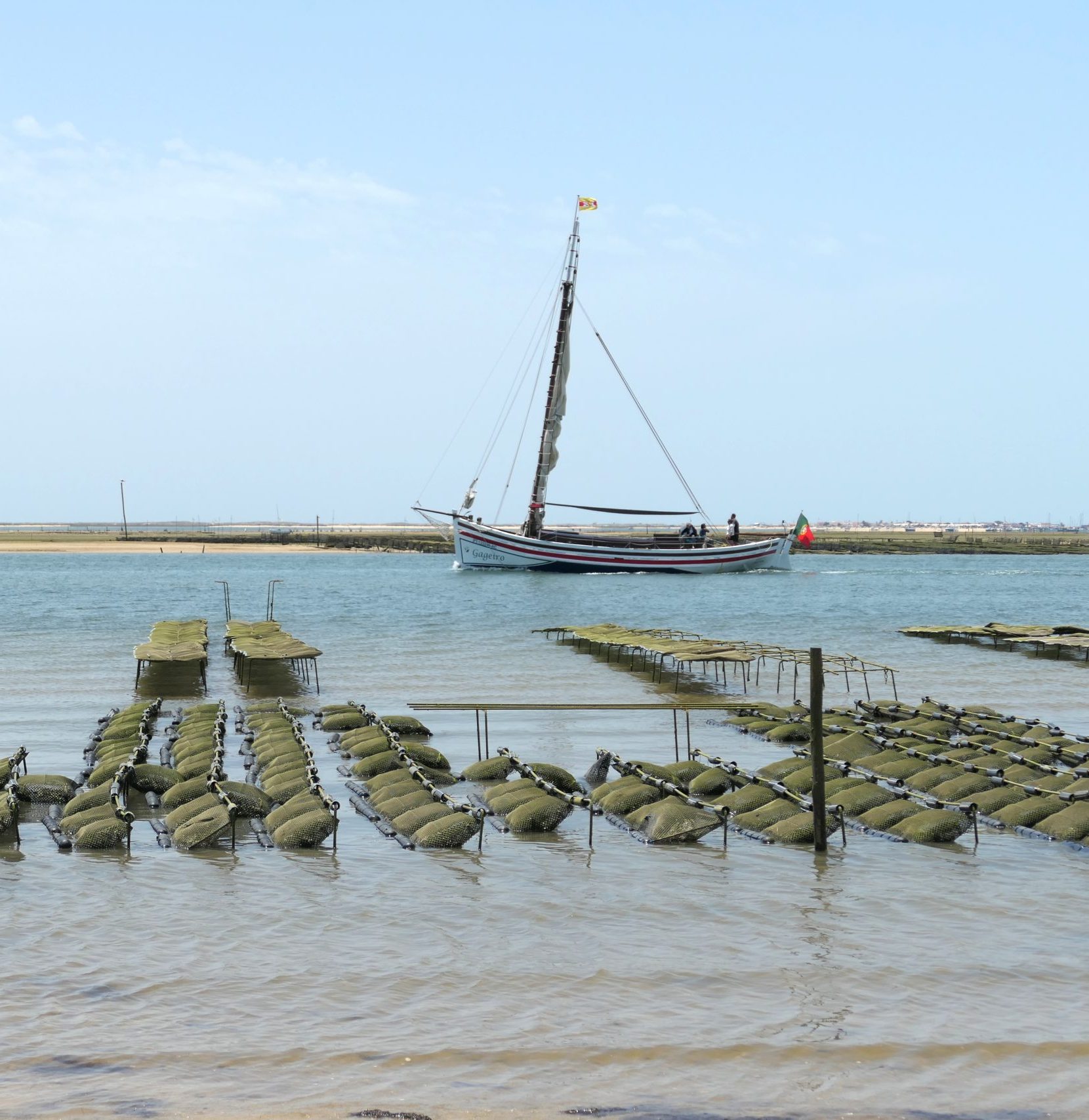
Or maybe you will choose to hop aboard a boat and experience the stunning Ria Formosa with its barrier islands, salt marshes and sand dunes as well as its rich flora and fauna. In conversation with local fishermen committed to sustainable practices, we’ll discuss the ecological challenges they face and the strategies they use to adapt to a changing world.
A bunch of short visits will let us explore Faro itself and its near surroundings, its landmarks, hidden gems and the most determinant moments in its history. Whether you chose a museum, the science centre, the digital visitor centre, a guided tour along the beach, a hike on the Ludo trail in the nature reserve or a tour up on the roofs of Faro or in its narrow streets – you will find plenty of food for lively discussions that align with our conference theme. Tastings of food and wine at sunset will round off our days. But this is not all!
Parallel to our conference, our local organisers – Sciaena organisation – will be holding their annual Marmotto festival. This will be our unique chance to enjoy some artivism through a lively cultural event that blends music, interactive art, talks and performances inviting visitors to think about ocean conservation and expression through creativity.
To round up our Portuguese adventure, join us on one of the post-conference tours to Évora or the Geopark Algarvensis.
There are good reasons why Évora will be the European Capital of Culture in 2027. A walk in the city centre is like a journey through 2000 years of Portuguese history. We’ll go on a guided tour visiting Évora’s most remarkable historic sites, including haunting chapels, ancient aqueducts, and serene gardens, and learn about the challenges and expectations of this UNESCO World Heritage city.Nature lovers should definitely not miss the post-conference tour UNESCO Geopark Algarvensis, a unique landscape of striking cliffs, hidden caves, and dramatic rock formations shaped over millions of years. We will learn about the region’s geological history, and discover the rich biodiversity of the area.
However, before we get there, you should be aware of these deadlines so you don’t miss out on preparation for the conference:
Call for papers deadline: 5 January
Early bird registration until: 1 March
The conference website will be our most reliable signpost and information desk before we will meet in April so keep an eye on that for any extra information.
Bettina Lehnes is IE’s Event Coordinator. She can be contacted at: bettina.lehnes@interpret-europe.net.
Available online: Newsletter winter 2025